
St. Francis of Assisi Parish in Greenwood, Mississippi, features a non-descript little church located in a largely non-Catholic region of the Delta. The sounds of Black Gospel and Mexican music resonate from its sanctuary every Sunday. While it has only a few hundred parishioners, few churches can boast of its wide impact.
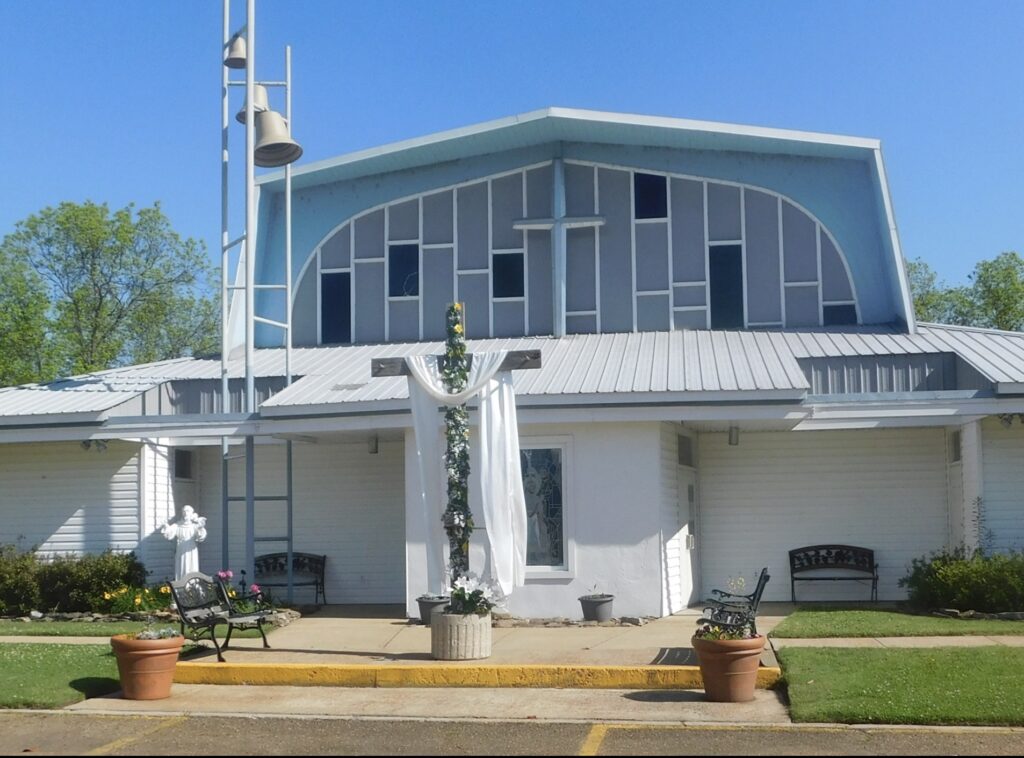
This year St. Francis marks 75 years, ever since Polish-American Franciscan friars from Wisconsin bought a bar and music joint to find space to begin a ministry to African Americans in the Delta region at the invitation of the bishop of Jackson.
It hasn’t always been easy.
The friars began with two Black Catholics. That number grew, as the friars established a school with the assistance of the Franciscan Sisters of St. Joseph from Cleveland, Ohio.
The school soon attracted students and their parents who wanted an alternative to underperforming segregated public education.
In a region where Catholics were a tiny minority, St. Francis grew slowly yet steadily, as the friars became enmeshed in the struggles of their parishioners who suffered through the worst of Jim Crow abuses.
Under the leadership of Fr. Nathaniel Machesky, OFM, an early pastor, St. Francis became a center of the civil rights struggle in the 1960s. With the help of other Christian pastors, Fr. Nathaniel, who died in 1995, was instrumental in forming the Greenwood Movement, which worked tirelessly to integrate the local police and fire departments, elect Blacks to city offices, and end the routine demeaning practice of referring to adults as boys.
The movement, which included boycotts and protests, attracted the attention of the Ku Klux Klan, who hired a hitman for $10,000 to kill the friar. As recounted in a history written by Siena University sociologist professor Paul T. Murray, the assassin trailed the activist pastor, only to abandon his stalking.
One day he arrived at the friary. “You’re the best man I ever saw. I couldn’t kill you,” the Klansman told Fr. Nathaniel.
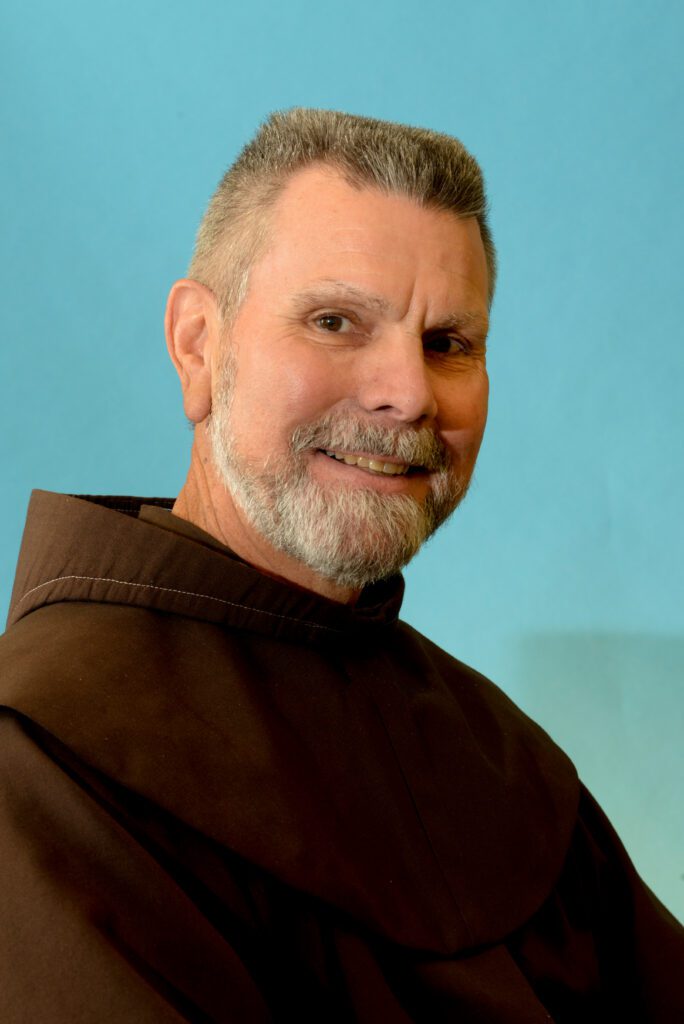
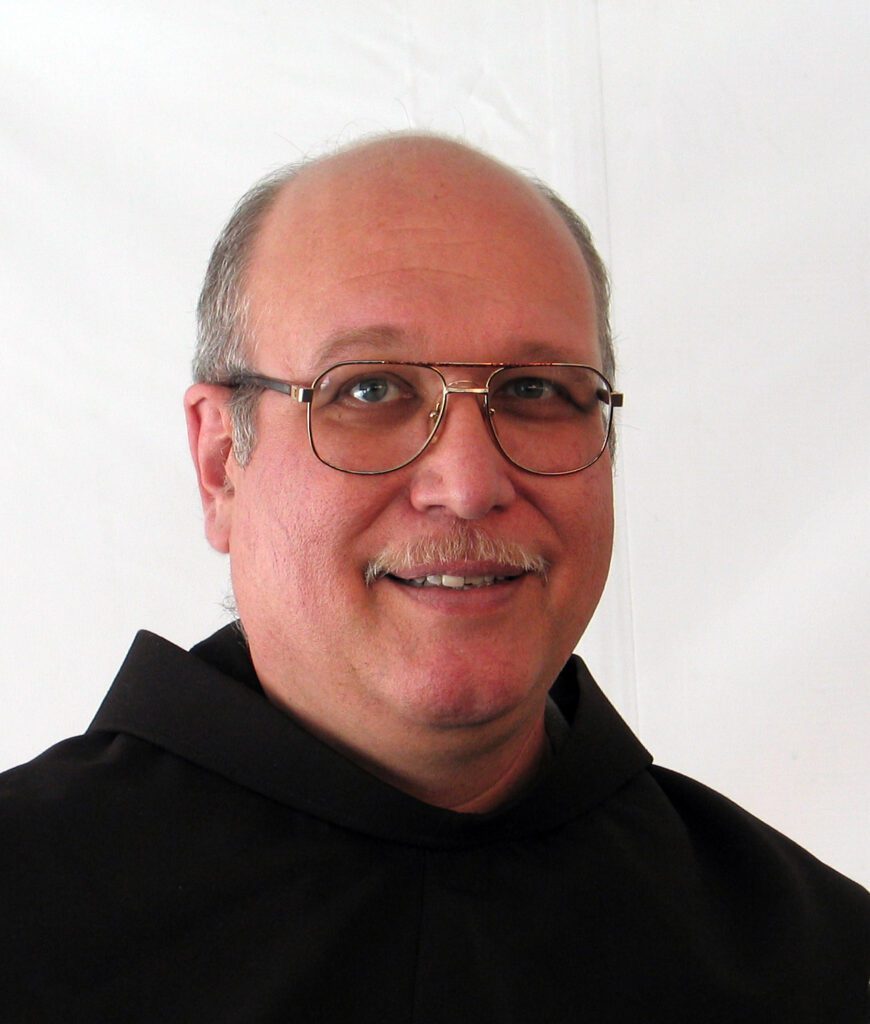
The struggles continued as St. Francis solidified its presence in Greenwood. Today, Bro. Mark Gehret, OFM, ministers at the parish with Fr. Al Jost, OFM. Bro. Mark is the parish facilities manager, a gifted maintenance and buildings worker, while Fr. Al focuses his bilingual skills with the parish’s growing Latino population.
It’s a long way from the routine slights and overt attacks of the Jim Crow era. The community now has a Black political presence, as well as police officers.
The school was closed four years ago because of finances and enrollment issues, but the need for education continues. The parish has an active religious education program, and a micro-school will build up enrollment grade-by-grade, in the hope that something long-standing can emerge.
A chronic concern is keeping young people, who often move away in search of work and opportunities, in a region known for grinding poverty.
Parish committees are working on a 75th anniversary celebration, which will culminate in a Mass on the feast of St. Francis in October. That Mass will be multi-lingual, in both English and Spanish, evidence that the parish community embraces a new challenge, the inclusion of Latin American immigrants, many with roots in Mexico and Central America.
Fr. Al celebrates Mass in Spanish, where the worshipers now outnumber those who attend English liturgy. Still the parish outreach is hindered by widespread fear in the Latino community. “The Hispanic community is often hindered from direct involvement due to fears surrounding immigration,” said Fr. Al.
The friars find support among other Christian pastors in town. They are concerned about issues going beyond Sunday worship, continuing a tradition developed in the Greenwood Movement. A special concern is providing health care for residents in the rural, poverty-stricken region, trying to keep local facilities functioning despite the specter of health-care cuts.
As is common among Latin American communities, Mass attendance spikes during feast times, such as Our Lady of Guadalupe in December and, for Mexicans, the observance of All Souls and All Saints Day.
St. Francis is the center of the pastors’ ecumenical social outreach. A program providing food assistance and temporary shelter for those in need is administered by Maxine Ford, St. Francis parish secretary who retired as a social worker with the state of Mississippi.
Ms. Ford administers a program open to all who are down on their luck, whether Catholic or non-Catholic. Some are transients, just passing through, but the town also has a permanent homeless community. Some sleep in their cars or live in tent encampments.
She is a parishioner at St. Francis for nearly five decades, a convert introduced to the church after enrolling her children at the school. “I wanted my children to have a different education than what I had. I sent them here to the school,” she said. One of her daughters came home one day and declared she wanted to be a nun. Her mother thought it was worth checking out.
That daughter never entered the convent. Still Ms. Ford remained faithful. “This has been a godsend,” she said of the parish. “This has been my home away from home.” Four of her children and four grandchildren attended the parish school.
She is looking forward to the 75th parish anniversary. She thinks it’s an opportunity to celebrate how St. Francis has moved forward.
“We are warm and welcoming. We are a rainbow Church. That’s how I see the Catholic faith. Everyone is one,” she said.